What the two methods actually contribute
Soft washing generally relies on a compatible cleaning solution, controlled dwell, and a measured rinse rather than high impact. It may fit organic growth, pollen, bird residue, mildew-like staining, and atmospheric film on selected tested materials. Lower pressure does not remove the need for accurate dilution, surface testing, protection, ventilation or air-intake review, public separation, and water management. Chemistry can affect plants, metals, glazing, sealants, coatings, and nearby finishes if the plan is not controlled.
Pressure washing relies more on water impact and may fit durable compatible concrete, service courts, loading aprons, curbs, or selected pavement. Too much force can etch concrete, expose aggregate, disturb mortar, lift paint, damage EIFS or stucco, move joint material, and drive water into openings. A pressure number alone does not describe nozzle, distance, flow, dwell, runoff, or the condition of the surface. The useful comparison is method by zone, with a clear expected finish and a clear limit when the condition is not ordinary dirt.
Match the method to Shreveport materials and deposits
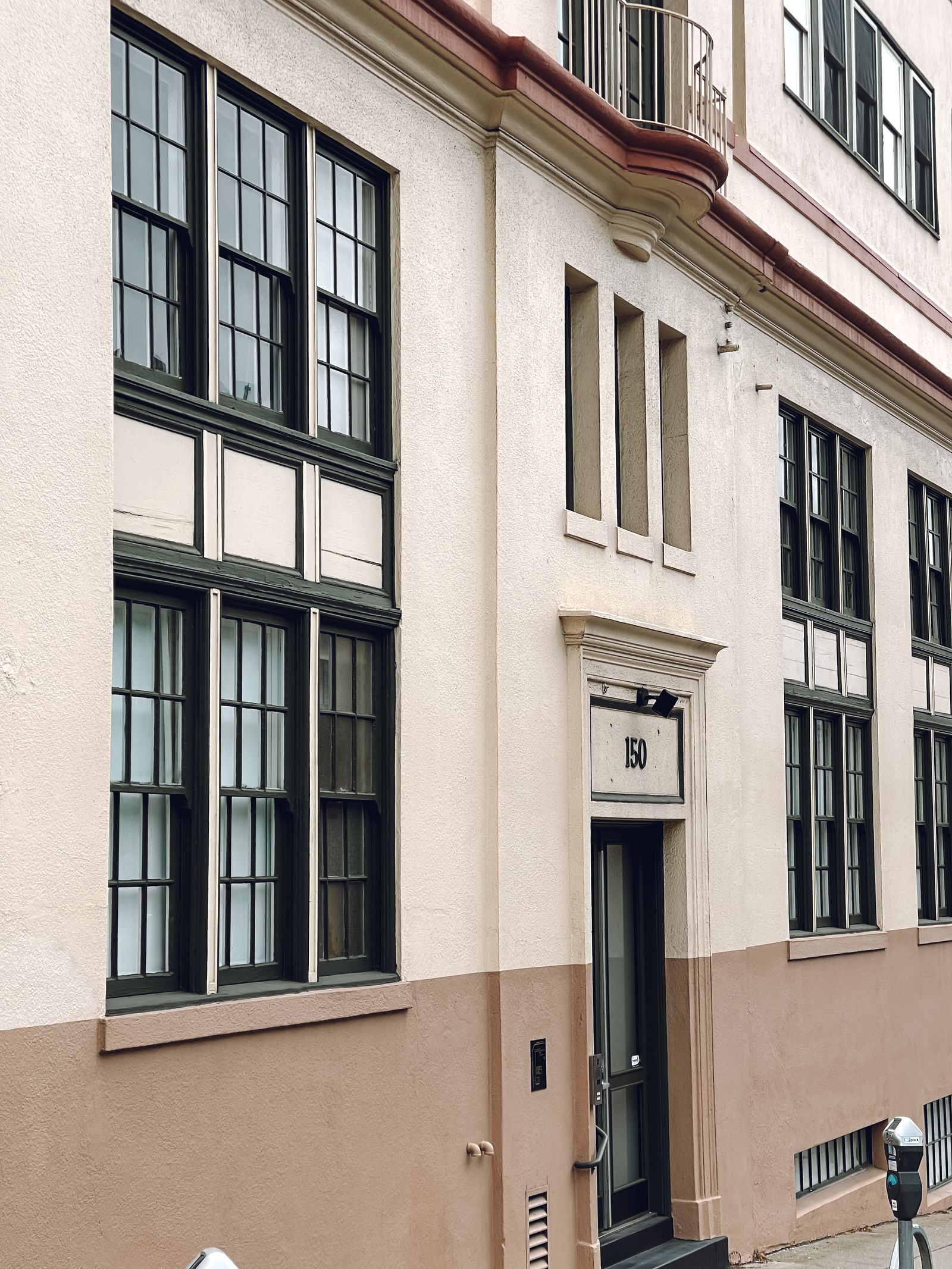
Shreveport commercial facades often mix brick, mortar, concrete, glass, painted metal, stucco, EIFS, stone, panels, awnings, sealants, and patched areas. A downtown building may have older masonry beside newer storefront work. A South Highlands property may combine a shaded brick wall, tree-adjacent sidewalk, and detailed entry. A Youree Drive center may have glass, coated panels, concrete bands, signs, and busy parking. A corridor warehouse may be durable on the loading side but sensitive around painted offices, electrical equipment, and employee doors. Material changes should change the method.
The deposit provides another clue. Green or dark film on a damp shaded elevation may be a candidate for tested soft washing. White crust can indicate mineral scale or efflorescence. Rust-colored bleed may point to oxidation or a metal source. Black residue can involve traffic film, soot, or storm-borne soil. Streaks below a parapet or downspout may recur because of a roof or drainage condition. A test area and dry inspection are more useful than promising that stronger pressure will remove every mark.
- Review masonry joints, concrete condition, glazing, panels, coatings, sealants, and prior repairs.
- Identify whether the deposit is organic, mineral, oxidized, soot-based, storm-borne, or drainage-related.
- Test a representative area when finish history or cleaning response is uncertain.
- Separate cleaning from masonry repair, restoration, coating removal, and glass finishing.
The chosen method must fit the operating day
A process suitable for an empty loading apron may be poorly suited to a downtown hotel, clinic, school, or retail center. Downtown Shreveport may have pedestrians, events, curb parking, restaurants, hotels, and compact staging. South Highlands offices and medical uses may have mature trees, patients, accessible routes, and shared parking. Youree Drive brings customer traffic, drive aisles, multiple tenant entrances, and sign visibility. The Shreveport-Bossier corridor can add trailers, gates, deliveries, production windows, and shift changes. The building's schedule is part of method selection.
Ask the quote to explain staging, barriers, noise, hose routing, dwell and rinse timing, open entrances, customer separation, and handback. A medical office may prioritize patient drop-off and air intakes. A hotel may need arrivals, housekeeping, conference loading, and outdoor areas protected. A retailer may prefer a pre-opening window. An industrial property may need one bay or lane released at a time. Soft washing or pressure washing is only operationally useful when people can continue to use the facility without an unmanaged access or slip hazard.
Heat, humidity, and storms affect the comparison
North Louisiana heat can accelerate drying on sunlit concrete or metal and change dwell time across an elevation. Humidity can keep shaded brick, covered walkways, and landscaping edges damp, supporting recurring organic film. Rain can dilute an application, move soil toward a low point, and expose a gutter or parapet issue. Thunderstorms, lightning, gusts, and changing visibility can affect spray control, aerial stability, footing, public routes, and the work window. A method that works on a dry test panel may need a different sequence when a wall is already wet or a storm is approaching.
A defensible comparison includes weather pause triggers, rescheduling expectations, surface moisture, drying, and the intended finish after conditions normalize. It also asks what happens when the visible mark is oxidation, mineral scale, soot, old coating failure, embedded storm residue, or a recurring drainage pattern. Increasing pressure without a surface reason may worsen the building. The better answer may be specialty treatment, contact work, documentation, or repair before another cleaning attempt.
Where drone assistance can and cannot fit
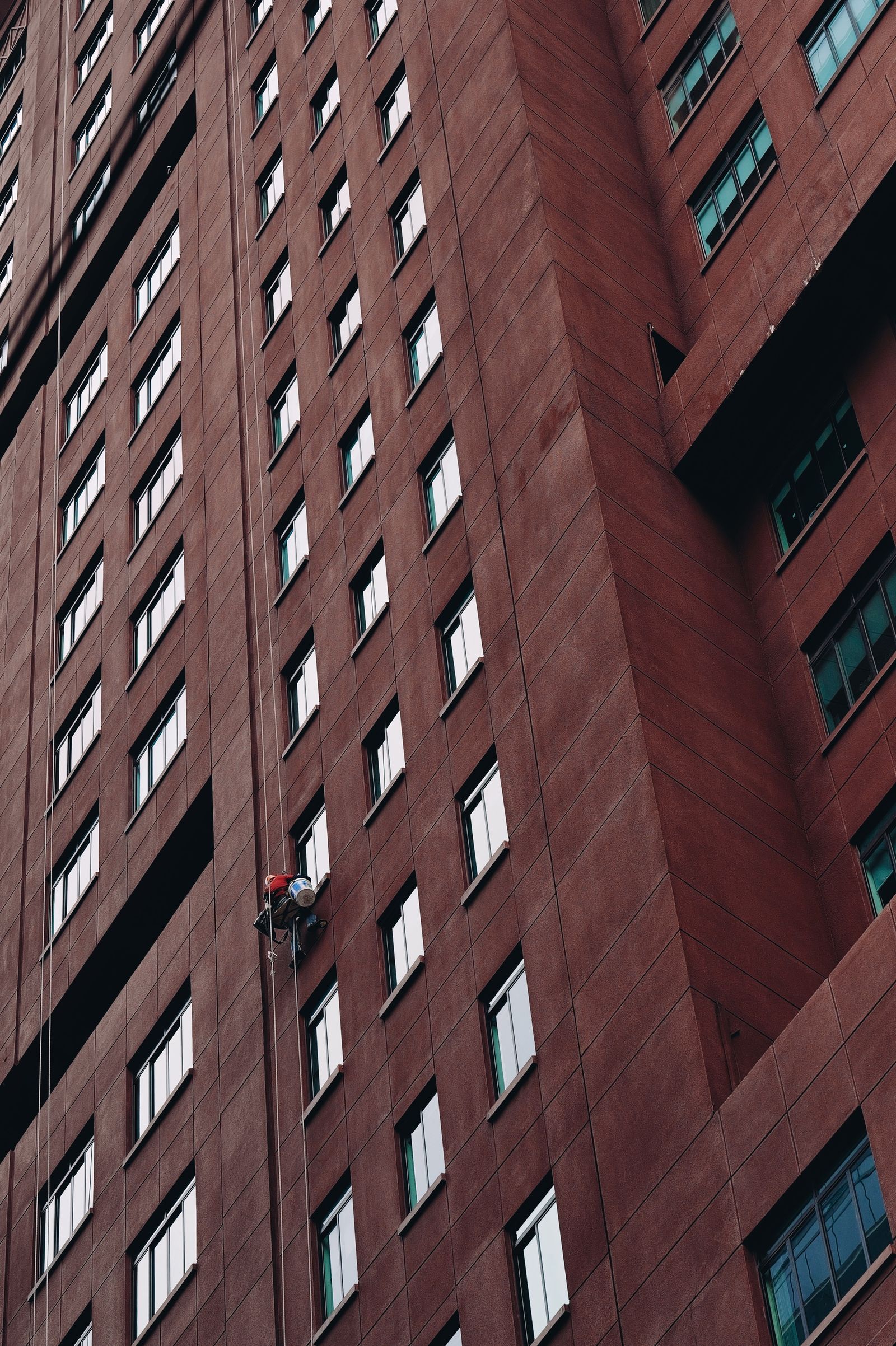
Drone assistance is an access choice, not a third category of cleaning. On a broad upper elevation with safe stand-off, visual control, workable wind, launch and recovery space, public separation, water access, and ground coordination, it may support an application or rinse and reduce some lift repositioning. It does not replace testing, material judgment, contact-clean glass, recessed detail, bonded-deposit removal, close condition assessment, or repairs. The scope should mark aerial, pole, lift, hand, and ground zones separately.
Shreveport sites may contain trees, utility lines, rooftop units, signs, balconies, busy roads, neighboring buildings, hospital traffic, and airport-related considerations. Commercial operations remain subject to applicable FAA requirements and any required authorization. If the public boundary, wind, airspace, launch space, or drainage controls are not workable, a conventional method may provide the more predictable result. Height alone is not a reason to select aerial support; the facade and the site decide.
Compare water management, protection, and closeout
Both soft washing and pressure washing create water-management responsibilities. Shreveport properties may drain toward curb inlets, grass swales, parking-lot low points, detention features, garages, pavement joints, or neighboring parcels. The product, soil load, rinse volume, slope, receiving system, landscaping, and applicable requirements matter. A nearby storm inlet is not automatic permission for treated water or sediment to enter. Controls may include diversion, collection, recovery, reduced rinse volume, filtration, plant protection, disposal, or coordination with the responsible authority.
Protection includes doors, accessible paths, vehicles, landscaping, outdoor seating, cameras, electrical equipment, air intakes, and people. A low-impact rinse can still reach a sensitive opening; a high-pressure pass can still damage a weak joint or coating. Ask for the test-area plan, method by zone, access equipment, weather limits, public controls, included elevations, exclusions, water assumptions, and closeout record. Photos of completed areas and remaining conditions help an owner distinguish a cleaning result from a repair need and plan the next maintenance visit.
Use the quote to choose a defensible method
For comparable Shreveport bids, ask each provider to identify materials, likely soils, proposed pressure and chemistry, test expectations, access method, protection, drainage assumptions, operating window, weather limits, included elevations, exclusions, and intended finish. Ask which areas receive aerial support, pole work, lift work, hand detail, or controlled pressure. Ask how the crew will respond if a mark is mineral, oxidized, salt-based, soot-based, bonded, or connected to a leak or drainage defect. That information is more useful than choosing soft or pressure as a blanket identity.
Share the address, labeled photos, approximate heights, priority zones, repair history, desired result, available water, nearby drains, event dates, guest or tenant restrictions, deliveries, parking rules, security needs, and storm concerns. Drone Building Cleaners can discuss Shreveport offices, hotels, healthcare facilities, schools, retail centers, mixed-use properties, garages, warehouses, and industrial sites. Call +1 239-351-2897, email contact@dronebuildingcleaners.com, or use the quote form to start a property-specific conversation.