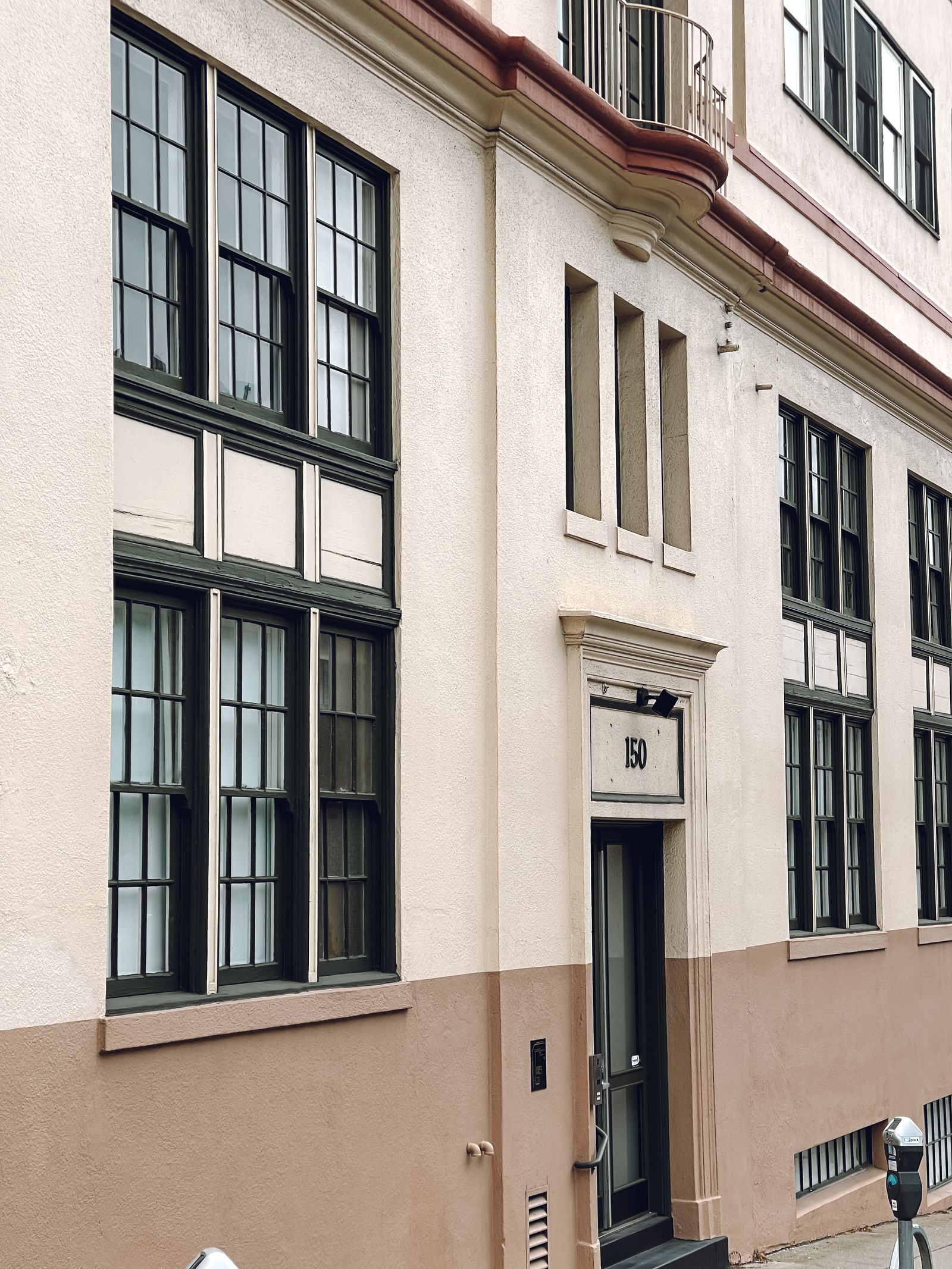
Start with the Shreveport facade and the customer experience
A commercial exterior is part of the first impression for patients, customers, tenants, employees, students, and guests. A dark north-facing wall beside a downtown entry, pollen film on a South Highlands sign band, or storm splash below a Youree Drive canopy can make a maintained property look overdue for care. A hotel near the riverfront may need guest arrivals and event traffic protected, while a neighborhood office may need a quiet plan that keeps a narrow sidewalk and accessible route open. The scope should begin with the elevations people actually see and use.
Shreveport properties can combine brick and mortar, painted masonry, stucco, EIFS, precast concrete, metal panels, glass, stone, awnings, canopies, and older repairs. Soft washing may fit compatible organic film, mildew-like staining, pollen, bird residue, and atmospheric soil when the chemistry, dwell, pressure, rinse, and protection match the material. It does not repair cracked masonry, failed joints, leaking roof edges, corrosion, oxidation, damaged coatings, or water intrusion. A test area can help set an honest expectation when a facade has mixed substrates or the owner needs an even customer-facing finish.
- Separate brick, mortar, concrete, glass, metal, stucco, EIFS, coated, and repaired zones.
- Distinguish organic film from minerals, oxidation, soot, bird residue, and drainage streaking.
- Define whether the goal is an entrance reset, recurring maintenance, tenant turnover, or an event date.
- Keep masonry repair, coating work, glass polishing, and envelope investigation outside routine washing.
Plan for downtown, South Highlands, Youree Drive, and the regional corridor
Downtown Shreveport properties around Texas Street, Market Street, the riverfront, and the convention area may have compact staging, curb parking, restaurants, events, offices, hotels, and pedestrians close to the facade. South Highlands brings neighborhood-scale medical, professional, retail, and hospitality uses where mature trees, tight sidewalks, patios, and shared parking can affect hose routes and plant protection. Along Youree Drive, medical offices, shopping centers, restaurants, banks, and professional buildings may share active drive aisles, monument signs, multiple tenant doors, and customer parking. The Shreveport-Bossier commercial corridor adds hotels, retail, offices, logistics, and industrial sites with deliveries, gates, trailers, and shift changes.
Before equipment arrives, the property contact should identify customer and employee entrances, accessible paths, valet or rideshare activity, loading windows, tenant hours, delivery lanes, outdoor seating, air intakes, security requirements, and the person authorized to pause work. A clinic may need patient drop-off open. A hotel may need arrivals and conference turnover coordinated. A retailer may prefer work before opening, while a warehouse may need a lane released between shifts. The quote should make the sequence, barriers, communication path, and handback standard clear.
Account for North Louisiana heat, humidity, and storm residue
Shreveport's hot, humid conditions can keep shaded masonry, covered walkways, landscaped edges, and downspout zones damp longer than sun-exposed walls. Summer heat changes surface temperature, worker exposure, dwell time, and drying. Spring pollen can settle on ledges, signs, and entry details. Heavy thunderstorms can move roof grit, leaves, sediment, and street film down a facade, while wind can carry spray or make an upper-elevation plan unsuitable. One building may have a shaded wooded side, a hot parking-lot elevation, and a storm-facing wall that should not be treated as identical zones.
A weather-aware plan considers wind, lightning, rain probability, surface moisture, temperature, visibility, footing, and drying time. Work should pause when those conditions no longer support safe control or the promised finish. Recurring streaks below a parapet, gutter, downspout, planter, or roof edge may point to a drainage or envelope issue rather than a need for stronger washing. The closeout record should note weather interruptions, remaining deposits, and visible conditions that need a roofer, mason, painter, or building-envelope professional.
- Review shaded walls, roof edges, gutters, downspouts, landscaping, and storm-facing elevations.
- Plan around heat, humidity, rain, lightning, wind, surface moisture, and drying conditions.
- Separate storm residue and recurring water marks from soils that routine washing can address.
- Agree on pause, rinse-adjustment, and rescheduling triggers before setup.
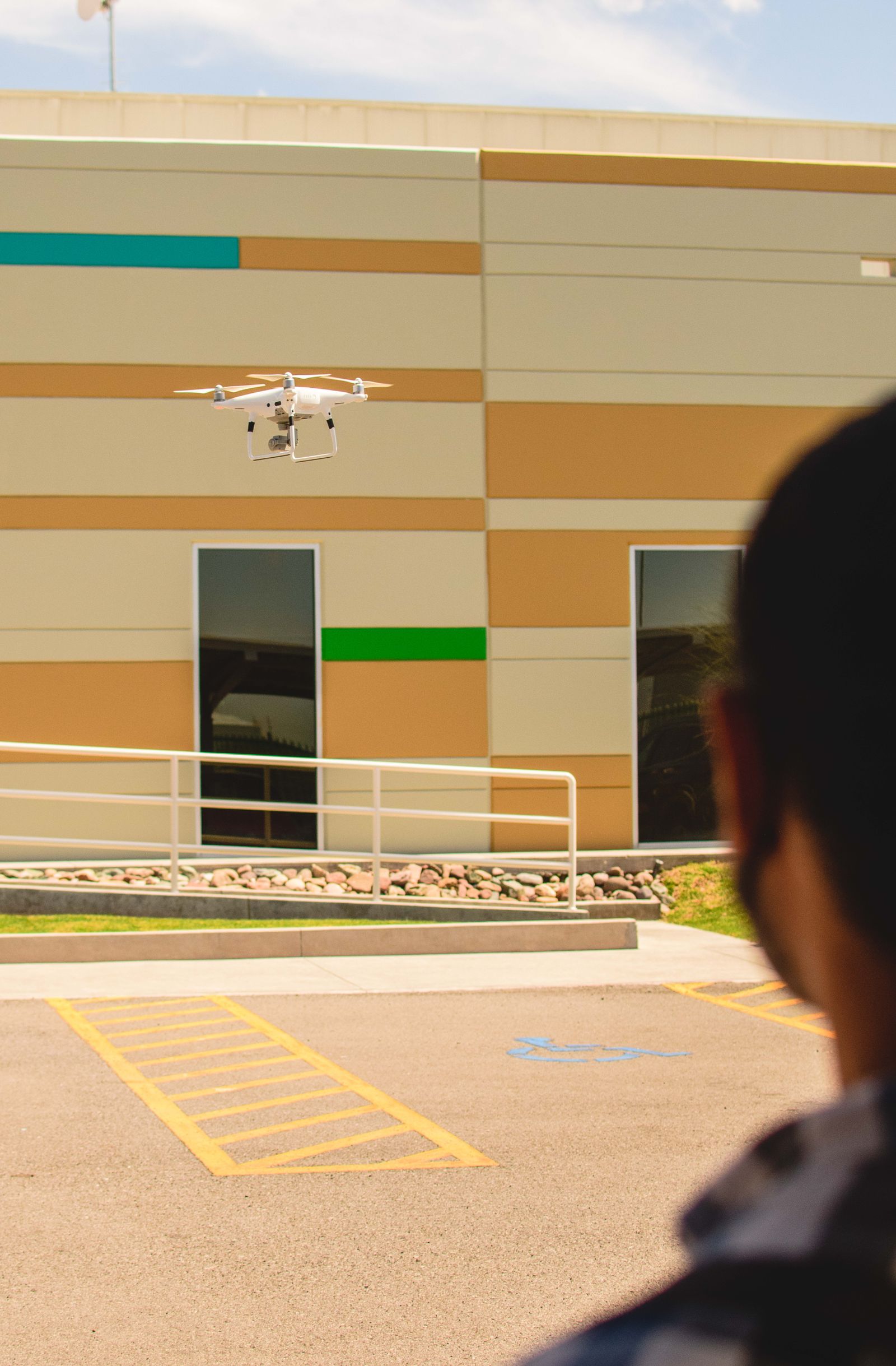
Use drone assistance only where access and airspace support it
Drone-assisted application or rinsing may support a suitable broad upper elevation when wind, stand-off distance, visual control, launch and recovery space, public separation, water access, and a coordinated ground team are workable. It can reduce some repositioning for selected parapets, ledges, sign bands, or tall walls in the commercial corridor. It does not make incompatible chemistry safe, contact-clean glass, brush every recess, remove bonded mineral deposits, inspect concealed damage, or repair a facade. The proposal should identify aerial zones separately from pole, lift, roof, hand, and ground work.
Shreveport sites can include mature trees, utility lines, rooftop equipment, balconies, signs, busy roads, neighboring buildings, hospital activity, and aviation considerations near Shreveport Regional Airport or Downtown Airport. Commercial drone operations must follow applicable Federal Aviation Administration requirements and any needed authorization. Property permission does not replace aviation rules or public separation. If the launch area, wind, airspace, ground boundary, or runoff controls are not adequate, another access method or a different work window is the responsible choice.
Protect entrances, landscaping, equipment, and drainage paths
A Shreveport field plan should map doors, accessible routes, parking aisles, loading zones, low points, storm inlets, landscaping, outdoor seating, cameras, electrical equipment, air intakes, vehicles, and neighboring property. Downtown sidewalks and compact lots may need a narrower controlled zone than a warehouse wall in the Shreveport-Bossier corridor. South Highlands trees and planting beds may be close to the facade. Youree Drive traffic and shared parking can change quickly. Hose routing, barriers, spotters, public separation, water access, emergency paths, and stop authority should be agreed before application.
Water management depends on the product, soil removed, rinse volume, slope, receiving system, landscaping, and applicable requirements. A visible curb inlet is not automatic permission for treated water or sediment to enter it. Depending on the site, controls may include diversion, collection, recovery, reduced rinse volume, filtration, plant protection, disposal, or coordination with the responsible authority. The quote should state its assumptions and what happens if observed flow differs from the review. Closeout photographs and notes can document completed elevations, remaining storm residue, damage observed, and access restored.
- Locate drains, low points, landscaping, doors, air intakes, vehicles, and public routes.
- Confirm water access, hose paths, barriers, spotters, customer parking, and emergency access.
- State the water-management approach and stop condition if flow or weather changes.
- Record completed zones and remaining mineral, oxidation, repair, or drainage-related conditions.
Request a Shreveport quote tied to your property
A useful commercial soft-washing quote should identify materials, visible soil, included elevations, method by zone, access equipment, protection, water assumptions, operating window, weather limits, intended finish, exclusions, and closeout documentation. It should distinguish broad wall washing from high-detail glass, hard-water marks, oxidation, construction film, graffiti, canopy detailing, and repairs. If aerial assistance is proposed, the scope should explain where it may help and what fallback method applies if wind, public movement, obstacles, airspace, or finish requirements change.
Send the Shreveport property address, wide and close photos, approximate height, priority elevations, known materials, preferred dates, water access, nearby drains, and restrictions involving patients, guests, students, tenants, deliveries, events, security, or production. Those details help determine whether a photo review, site visit, or test area should come next. Call +1 239-351-2897, email contact@dronebuildingcleaners.com, or use the quote form to discuss a one-time appearance improvement, phased commercial cleaning, or recurring exterior maintenance plan.